The Reimagining Youth Sport Project
Transforming youth sports so every young person can participate, lead, and drive community change.
Over 80% of youth worldwide fail to meet the recommended daily hour of physical activity, contributing to a growing global health crisis. This widespread inactivity is linked to rising rates of depression, anxiety, and chronic diseases. Without urgent intervention, the next generation faces diminished physical and mental wellbeing. Reimagining youth sport is essential to reverse this trend and create inclusive, engaging opportunities for movement and growth.
The cost of inactivity is staggering, an estimated $300 billion in healthcare expenses tied to preventable conditions like hypertension and diabetes. These costs reflect not just medical bills but lost potential in education, employment, and community leadership. Investing in youth sport as a tool for health and empowerment can dramatically reduce these burdens and unlock long-term economic and social benefits for communities worldwide.
Current youth sport systems often exclude marginalized groups due to cost, location, or cultural barriers. Many young people lack safe, inclusive spaces to play, grow, and lead. A reimagined approach must prioritize equity, ensuring every child, regardless of background, can access sport as a platform for personal development, community engagement, and lifelong wellbeing.
Youth sport has the potential to be a powerful tool for mental health, yet traditional models often emphasize competition over connection. Reimagining sport means creating environments that foster resilience, belonging, and emotional growth. By centering wellbeing, sport can become a space where young people feel seen, supported, and empowered to thrive both on and off the field.
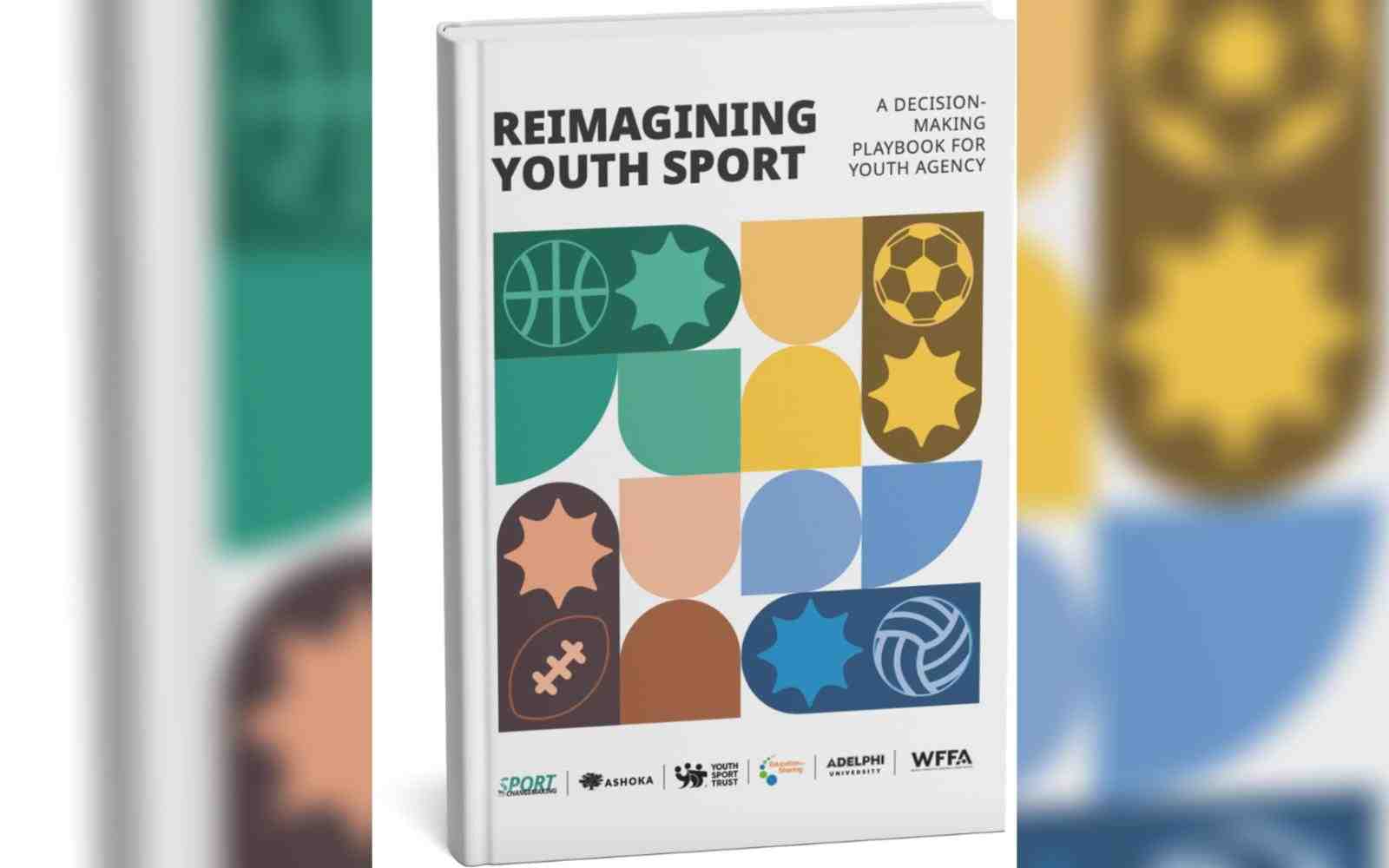
The Reimagining Youth Sport report offers guidance for youth sport leaders — including funders, policymakers, parents, coaches, educators, administrators, regulators, and investors — on how to place youth agency at the heart of decision-making. Developed with a collective of changemakers from the World Freestyle Football Association, Ashoka Fellows and Young Changemakers, Education for Sharing, Adelphi University, and the Youth Sport Trust, the report supports leaders to shape sport as a space where young people can build their agency and drive positive change. Dive into the report here:
Ashoka Fellows are already changing the youth sport system. Let’s scale these solutions together.
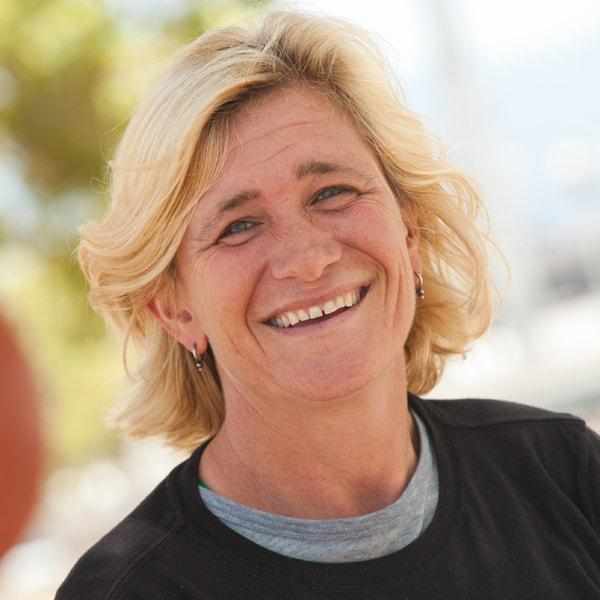
Jill Vialet, founder of Playworks, is a social entrepreneur transforming school recess into a tool for equity and engagement. An Ashoka Fellow and author, she also co-founded Substantial and champions participatory democracy, leadership transitions, and joyful learning through play.

Dina Buchbinder, founder of Education for Sharing, is a Mexican social entrepreneur transforming education through play. Her “play, reflect, act” model empowers children across 13 countries to become global citizens, promoting equity, sustainability, and civic engagement through experiential learning

Bob Munro (1942–2025), Canadian-born founder of Mathare Youth Sports Association, transformed Kenyan slums through football, education, and environmental action. As Mathare United’s chairman, he empowered over 140,000 youth, earning global awards and two Nobel Peace Prize nominations.

Steffi Biester, founder of KICKFAIR, transforms German education through streetfootball. Her scalable model fosters empathy, equity, and civic engagement in 17,000+ youth annually, reshaping school culture and curricula to unlock potential and build inclusive, democratic communities.
Ashoka’s Reimagining Youth Sport project has been selected by the Olympism365 Innovation Hub, a collaboration between the International Olympic Committee, Beyond Sport, and Women Win, as one of the pioneering innovations driving social impact through sport. As part of the Collective365 series, the initiative explores how sport can foster changemaking, equity, and collaboration across sectors, reimagining youth sport as a platform for leadership and inclusion, and contributing to a shared vision of sport as a force for systems change.