
Purposeful Play
“When people think of sport, they often envision a competition focused on producing stars and winning at all costs. However, the concept of purposeful play remains underexplored.”
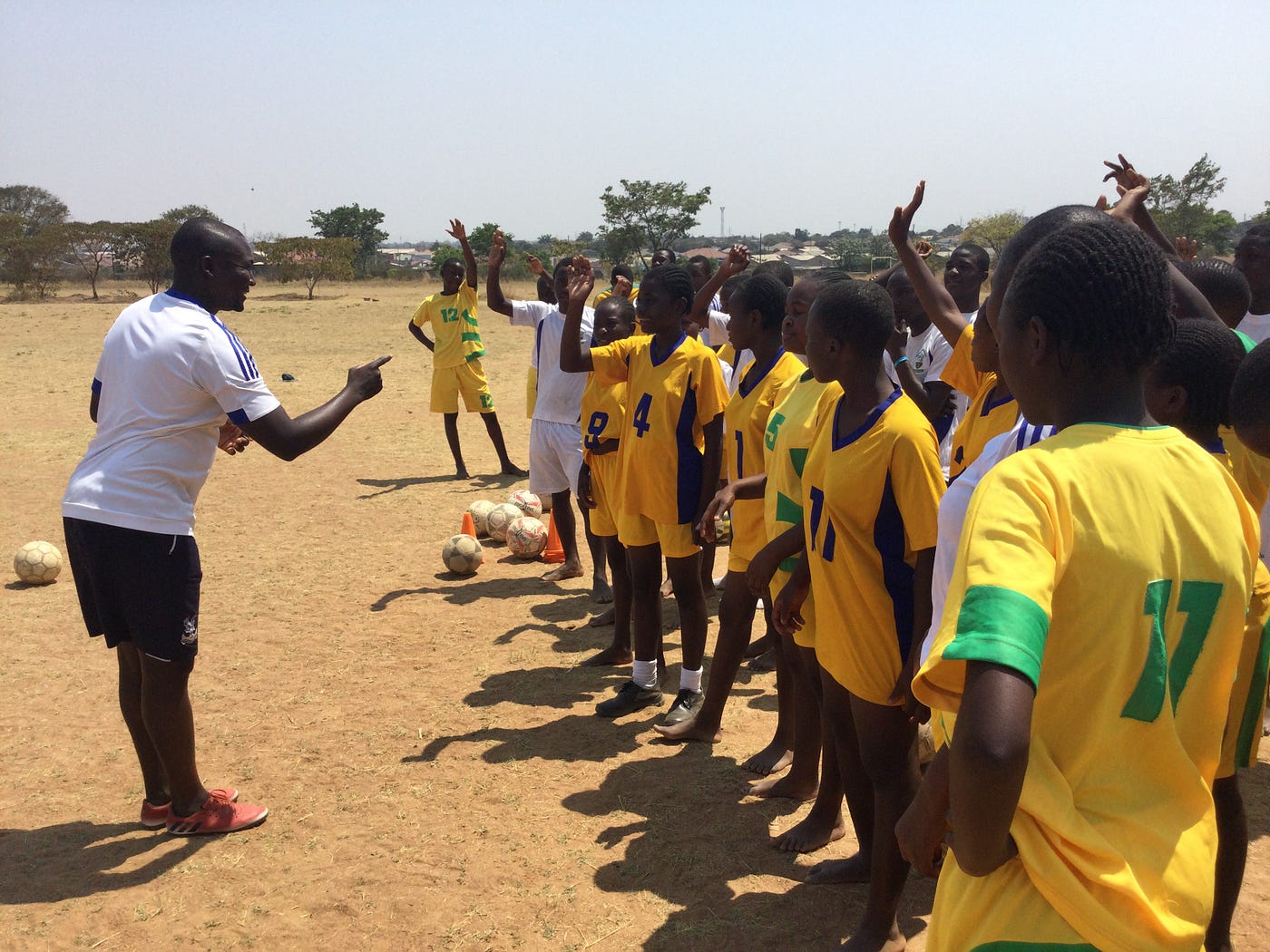
by Hector Moyeton
Young people’s participation in sport and physical activity has hit historical lows globally since the COVID pandemic. In fact, over 80% of young people are not meeting the recommended minimum of one hour of physical activity per day. For women and girls in the Democratic Republic of Congo (DRC), this is exacerbated by gender norms including expectations of subservience, exclusive responsibility for household chores, restricted clothing choices, and exclusion from activities like sports.
Ashoka Fellow Elvis Nshimba from the Umoja Sport in the DRC joined us to discuss the benefits of purposeful play to bring communities together and challenge deeply rooted stereotypes. His work asks us to rethink what winning can look like in sport towards building inclusive and purposeful lives, helping communities to thrive together.
Q: What do you do at Umoja Sport and what are you trying to achieve?
At Umoja Sport, our primary focus is on education, particularly in the DRC, where educational attainment ranks among the lowest in Africa. Entrenched cultural practices and traditions across diverse ethnic groups serve as the primary catalysts for pervasive gender disparities.
In our operational areas, many households depend on subsistence agriculture and live on less than $2 a day, regardless of family size. Traditional norms perpetuate gender stereotypes, often hindering girls from pursuing higher education. In many communities, cultural beliefs dictate that girls should not be treated as equals to boys. As a result, educated girls face social stigma, with fears that they are too assertive or unfit for marriage.
Moreover, societal attitudes toward sports further restrict girls’ participation. Cultural norms and certain religious beliefs discourage girls from engaging in sports and physical exercises, labeling them as “unfeminine” and perpetuating misconceptions about their health and future roles as mothers. Families with multiple children often prioritize education for boys, leaving girls to assist with household chores or engage in risky activities such as street vending, which can expose them to violence and exploitation.
In response to these challenges, Umoja Sport was established to foster a safe and thriving community for all. Our model integrates purposeful play to address critical social issues by engaging families directly to encourage girls’ participation in sports, building self-confidence and challenging stereotypes. We believe that families are where every sustainable change starts. By involving mothers and daughters in our activities, we empower women to become ambassadors for change within their communities.
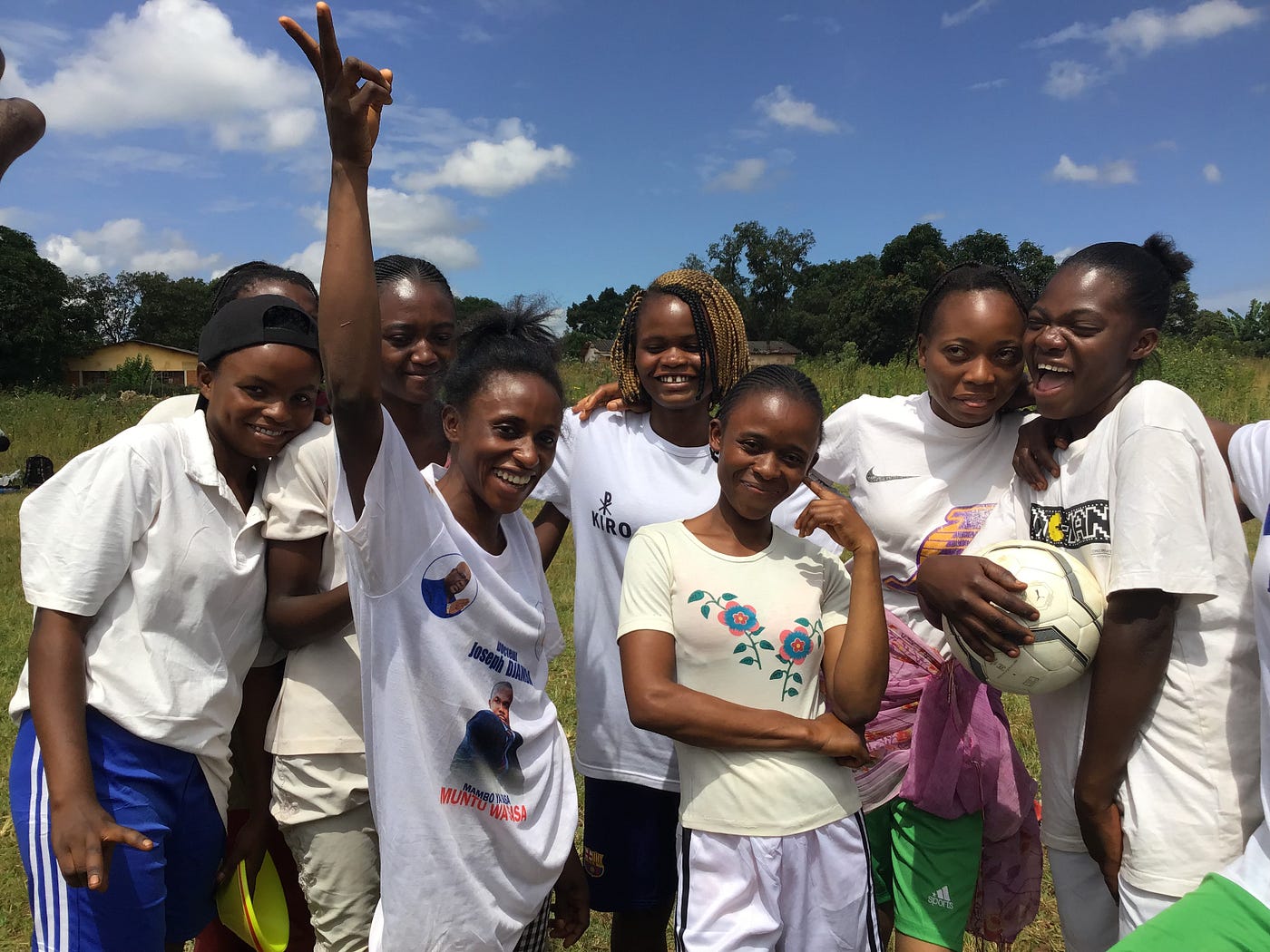
When people think of “sport,” in the DRC, they often envision a competition focused on producing stars and winning at all costs. However, the concept of purposeful play remains underexplored. Many misuse the term by organizing competitive tournaments that lack a deeper impact.
At Umoja Sport, we leverage sport as an educational tool beyond traditional classrooms. Through locally designed games, we facilitate meaningful conversations on issues like gender equality, helping participants confront and redefine harmful societal norms. We offer life skills training in literacy, family planning, and health management so that girls are empowered to dream bigger, confront harmful cultural practices, and assert their rights.
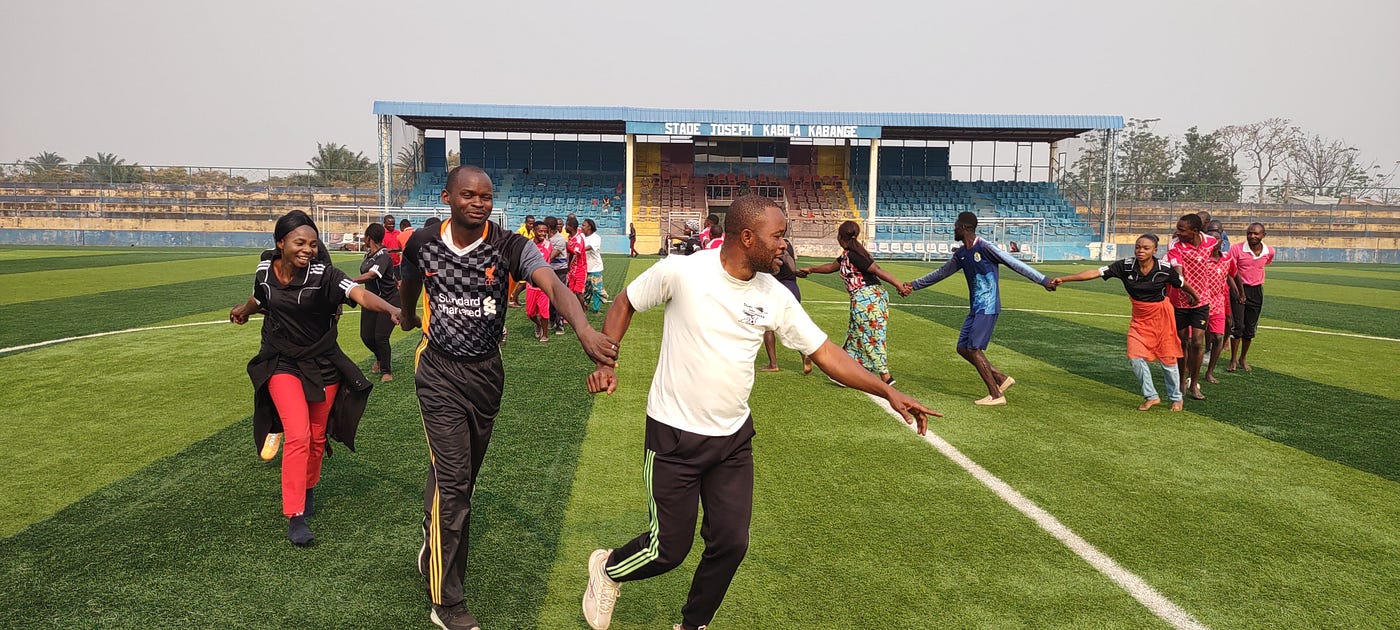
We have created significant positive change by leveraging sport to address critical community issues. Over the past 3 years, we have trained over 8,000 teachers, coaches, and community leaders across the DRC and in seven African countries, using sport as an educational tool. Our efforts have reached over 50,000 individuals in the Greater Katanga region, focusing on improving access to education and health.
Get Ashoka’s stories in your inbox
Join Medium for free to get updates from this writer.
We proudly pioneered free menstrual cup distribution in the country, an innovation that benefited over 120 marginalized women and 800 female students. By integrating sports into over 60 schools’ curricula, we’ve promoted physical fitness and essential life skills among youth. Our economic empowerment programs for young women have improved their reproductive health and living conditions, fostering self-sufficiency and enhancing community well-being.
Q: What strategies are you focusing on to expand the impact of your work?
In the coming three years, we will prioritize the development of social enterprises that generate income to ensure the sustainability of our programs. We plan to establish technical and vocational training programs in areas such as catering, welding, beauty, and carpentry to open community-based shops that provide essential services while creating job opportunities.
Recognizing that systemic change requires collaboration, we are committed to becoming a hub for young social entrepreneurs in the country. Our mission is to empower community members through sport, education, and economic initiatives, fostering a movement where everyone can become a changemaker.
Ultimately, we aim to develop a comprehensive toolkit that combines sports with education and economic empowerment. This replication model will drive positive mindset shifts, empower communities, and foster economic growth through income-generating activities.
Q: What are the main barriers to the adoption of purposeful play and gender equity? How does Umoja Sport address these challenges?
Despite positive shifts among our direct beneficiaries, many community members with traditional mindsets still view sport primarily as competition, overlooking its potential for social impact. In some areas, established gender roles and stereotypes continue to restrict the participation of women and girls in sports.
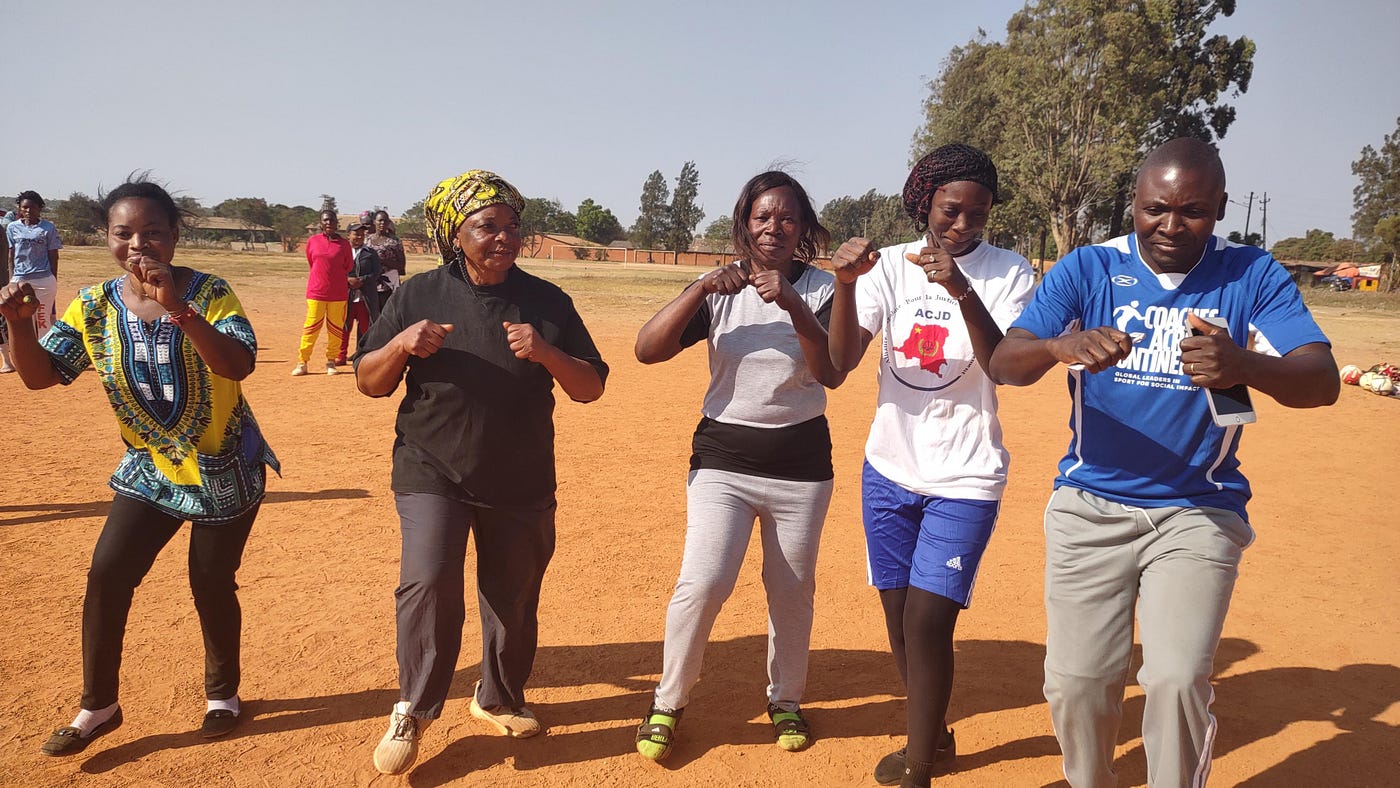
For instance, when we introduced purposeful play, boys initially resisted merging teams with girls, believing that girls would hinder their performance. In contrast, we engaged girls in exercises that highlighted gender stereotypes, revealing ingrained biases about strength and weakness. Through these activities, we uncovered deep-rooted issues of self-confidence and gender-based discrimination. Today, we witness a remarkable shift in perceptions: boys now recognize girls as equals, and girls have regained their confidence, actively participating in discussions and play.
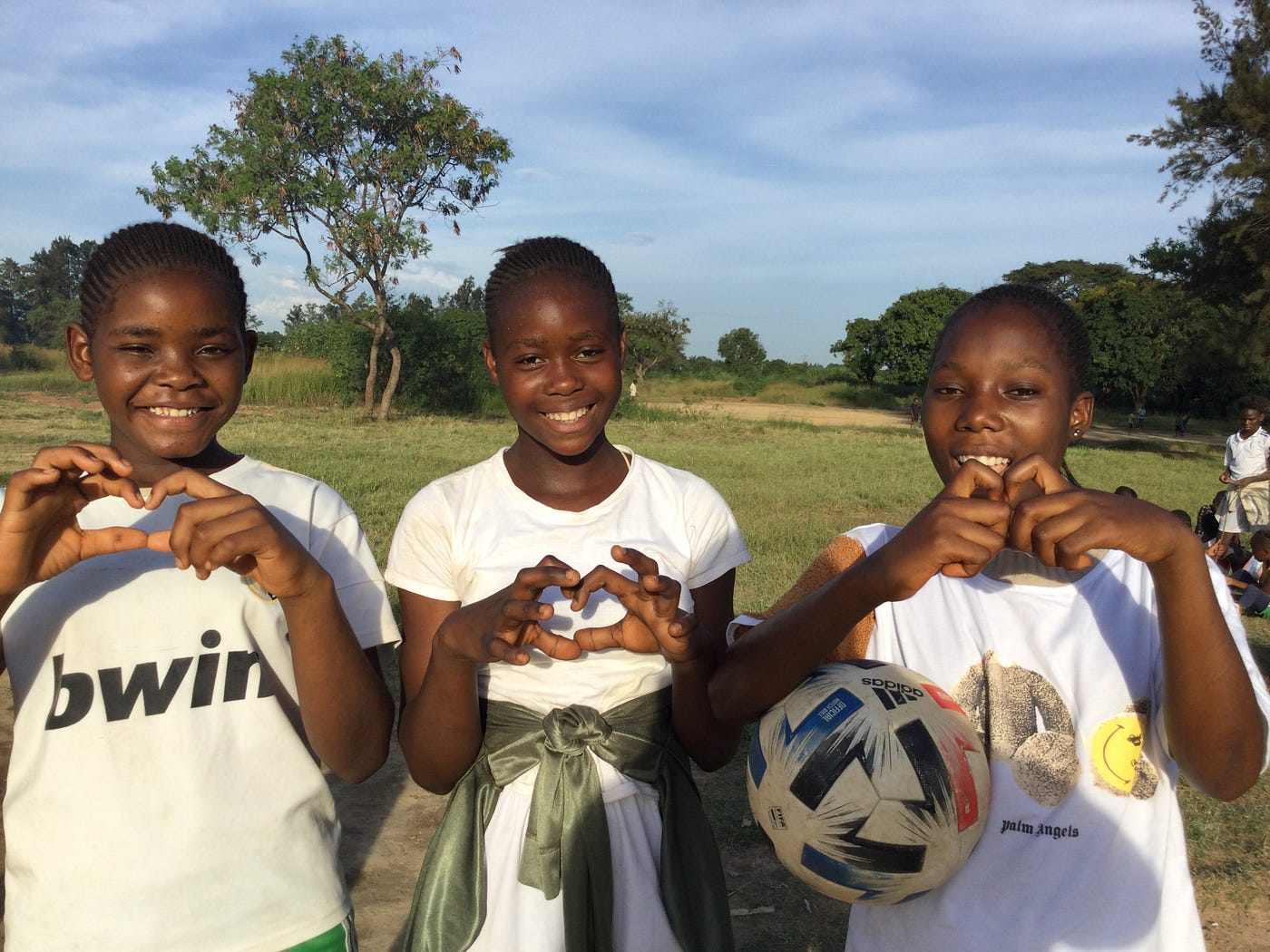
Our approach challenges harmful norms by implementing policies that promote equality, inclusion, and community engagement and has been adopted by schools as extra curricula activities. We work with youth to become the best versions of themselves by shifting their perspective on success. Instead of solely developing athletic skills, we teach them that true winning lies in solving community problems and driving positive change. Winning means making a meaningful impact and fostering a positive mindset every day.
Q: What are the critical partnerships and partners needed to achieve mindset shift in the field?
I believe that no single sector can tackle Global Goals alone, effective partnerships must bring together governments, civil society, the private sector, the UN system, and other actors.
To achieve a meaningful shift in the field of sport, it is essential to bring together local community organizations, educational institutions, government, policy makers, corporate sponsors, funding organizations, and healthcare providers.
At Umoja Sport we’ve been engineering these collaborations by implementing several strategies. We initiate collaborative projects that leverage multiple partner’s strengths to achieve common objectives such as joint training programs or community health initiatives. We also host community workshops that bring together diverse stakeholders — community leaders, educators, coaches, and youth — to discuss the potential of sport for social change. These forums foster dialogue and collaboration on shared goals.
As part of our programming, we connect young athletes with local leaders and successful athletes who serve as mentors. This relationship helps to inspire youth and shift their perceptions about the role of sport in their lives.