
Towards Wellbeing and Joy
Courtesy of Sam Parfitt
by Alex Richmond
The decline in physical activity participation rates is concerning: 80% of adolescents worldwide are failing to meet recommended activity levels. This decline is influenced by various barriers, including cultural norms and inadequate infrastructure. Moreover, the prevalent “win-at-all-costs” mentality in youth sports contributes to burnout and highlights the urgent need for a shift towards prioritizing wellbeing in sports.
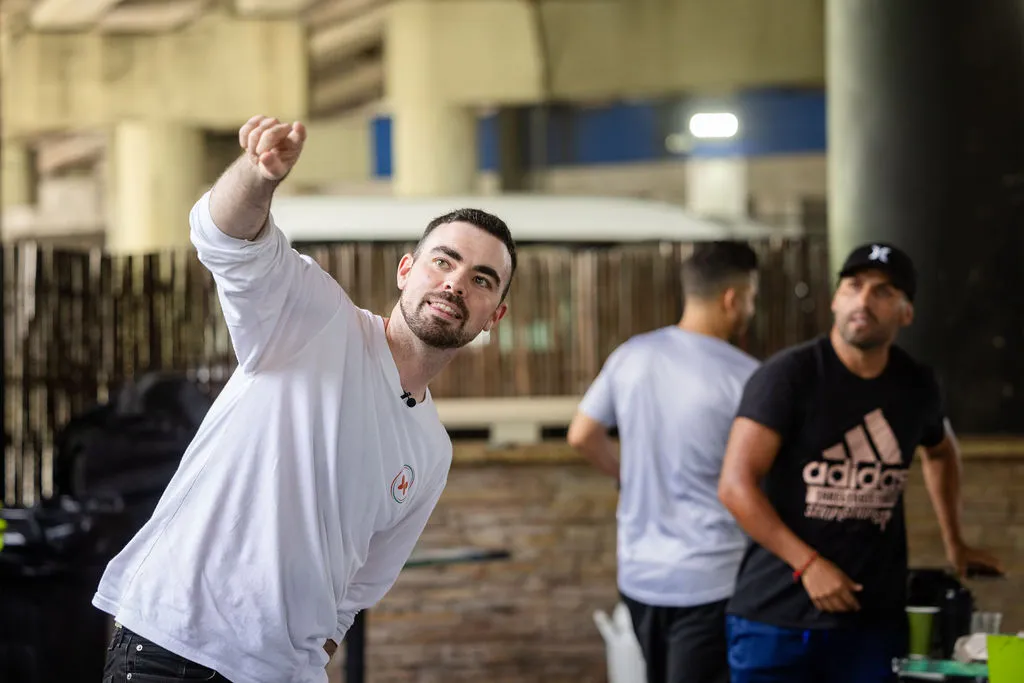
Sam Parfitt, Founder of the True Athlete Project (TAP), joined us to discuss how mindfulness can transform sport and enhance athletes’ development. His insights emphasize the importance of a holistic approach to athletic excellence, characterized by wellbeing and positive contributions to society.
Q: Could you describe your journey to founding the True Athlete Project? How did this lead you to shaping a more positive mental health approach in sport?
Sam: The central question for me has been how to design athlete development programs that enhance performance, nurture wellbeing, and foster a more compassionate sports culture and society. How can we integrate these elements so that becoming a great athlete inherently includes developing into a well-rounded, socially conscious individual?
These questions stemmed from the beginning of my journey as a tennis player in Norfolk, England, a rural and peaceful area. At the young age of 15 or 16, while pursuing tennis full-time in London, I experienced significant mental health challenges. This continued while playing Division I college tennis, a roller coaster of highs and lows, including numerous surgeries. Despite some great moments, I ultimately felt disillusioned by the harmful and destructive aspects of sports. It saddened me to see how something that once brought me joy and freedom had become detrimental.
Right after college, I was fortunate to become the Director of Athletics at a school without a PE program, which allowed me to design a program from scratch and integrate ideas that had been forming within me. My goal was to shift perceptions of what it means to be an athlete from a young age, even in an environment that might be resistant to change. This experience marked the beginning of the True Athlete Project.
During this time, I also discovered the broader world of sport for social change, which left me feeling inspired — but with a clear understanding of the field’s significant gap. While there were efforts in performance sports and sport for social change, there was a missing connection between the two. Often, the only link was an athlete visiting a school to give a talk, which was insufficient to bridge this gap.
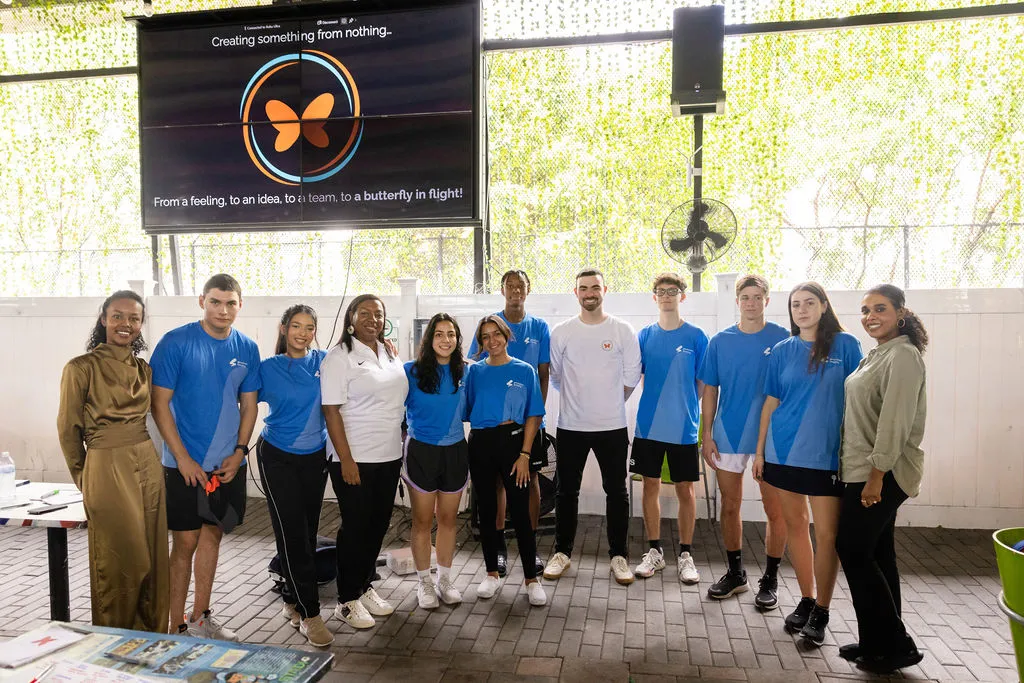
At TAP, we understand a more integrated approach is necessary. Our mission is to humanize sport, addressing the root causes of physical and mental health crises by fostering connection and community. We aim to help individuals realize their potential and feel empowered in the world.
Courtesy of Sam Parfitt
Q: What are the main barriers to athlete development within the broader sporting ecosystem? How does TAP address these challenges?
Sam: Sport holds immense potential to reach and positively impact children and young people. Unfortunately, this opportunity is often missed due to entrenched norms and practices within the field. To this extent, the field is stuck in several ways. Traditional metrics and funding models often prioritize short-term outcomes like winning, rather than long-term development and holistic growth. This focus on immediate success, though evident in youth sport, can undermine the broader potential of sport to foster learning and personal development.
Additionally, there’s a pervasive issue with coach development. Many coaches lack training in mental and emotional skill development, inclusive culture creation, and the subtle aspects of effective coaching. This gap prevents the sport experience from being as supportive and transformative as it could be. In response, we developed our five M’s framework: mentoring, mindfulness, movement, mental skills training, and mental health support. Rather than being just a sports psychologist or just a coach, our approach is a blend of these elements.
Courtesy of Sam Parfitt
As just one of many wonderful examples, our work inspired one young athlete to open up very honestly about her health and family issues, which led to her joining our mentoring program. She was paired with a mentor who had been trained in our approach. They met weekly, providing her with consistent support and guidance. This experience was life-changing for her, transforming over the course of a year from feeling unhappy and confused about the future, to being a steady, supportive person who took care of her wellbeing and others’ wellbeing.
She is an example of blending “sport development” with positive good, moving on from our program to form an advocacy group for girls and women in her sport, and skillfully lobbying for changes. She became our first mentee to transition into a mentor, delivered mindfulness classes at her club, and even started her own company. Her journey exemplifies the positive impact of our holistic approach, showing how nurturing and support can lead to meaningful personal and professional growth.
We work at the governance level to promote positive mental health through mindfulness and change. Our notable accomplishment, the Powered by Purpose program with UK Sport, trains elite athletes to use their platforms for social change. This program has led to impactful initiatives, such as a para swimmer who identified a gap in access to A-frame running devices for disabled children. She fundraised to provide a device for a child, transforming his ability to engage with others and make friends. Now, she aims to ensure that everyone in the UK is within an hour of an A-frame running club. Her dedication, despite logistical and financial challenges, exemplifies our program’s deep, meaningful impact, aligning with TAP’s founding principle of fostering compassionate and effective engagement beyond tokenism.
Q: What mindset shifts are necessary for the sports ecosystem to better contribute to the common good?
Sam: The primary shift needed is a fundamental rethinking of the purpose of sport. Currently, sport often emphasizes superficial achievements, such as trophies and statistics, rather than its broader potential to enrich lives and promote wellbeing. For sport to truly serve the common good, there must be a reprioritization towards valuing lifelong participation, wellbeing, and joy.
Additionally, there needs to be a transformation in how we perceive and invest in coaches. Sport coaching should be elevated to a recognized profession with a focus on health and societal impact. Coaches play a crucial role in shaping positive sport experiences, and investing in their development — both financially and through professional growth opportunities — will significantly enhance the quality of sport at all levels.
By addressing these areas — shifting values towards well-being, rethinking success metrics, and investing in coaching — the sports ecosystem can better align with its potential to contribute to the common good.
This article is part of our “Sport for Changemaking” series — a collection of articles that examine how Ashoka Fellows and social entrepreneurs around the world are utilizing sports to create impact and mobilize change. The series showcases the potential of sports as a tool for social transformation and provide insights into strategies, impact, challenges, and lessons learned. Sign up for our newsletter and stay up to date with Ashoka’s Sport for Changemaking initiative.